In a lonely place – memory and desire in two recent works by Mara Palena
Premise:
As defined1 by Vilém Flusser, technical images are computations of concepts. Therefore, they have an aligning power, that is the ability to homogenize reality, making it analyzable and predictable. The following text will prefer this term to photography, as the first explains the ‘what’, the latter the ‘how’. One helps us reveal the consequence of technology in life, the other conceals it by putting the miracle of science in the spotlight, hiding its repercussions away.
I WISHED I WAS
Installation.
Video composed of technical images from the artist’s private archive. Excerpts from Molly Bloom’s monologue — sometimes in the form of on-screen text. Frames printed on thermal paper and wall-mounted. Music composed by A.I. fed with Molly Bloom’s words Variable dimensions 5’27’’ 2022
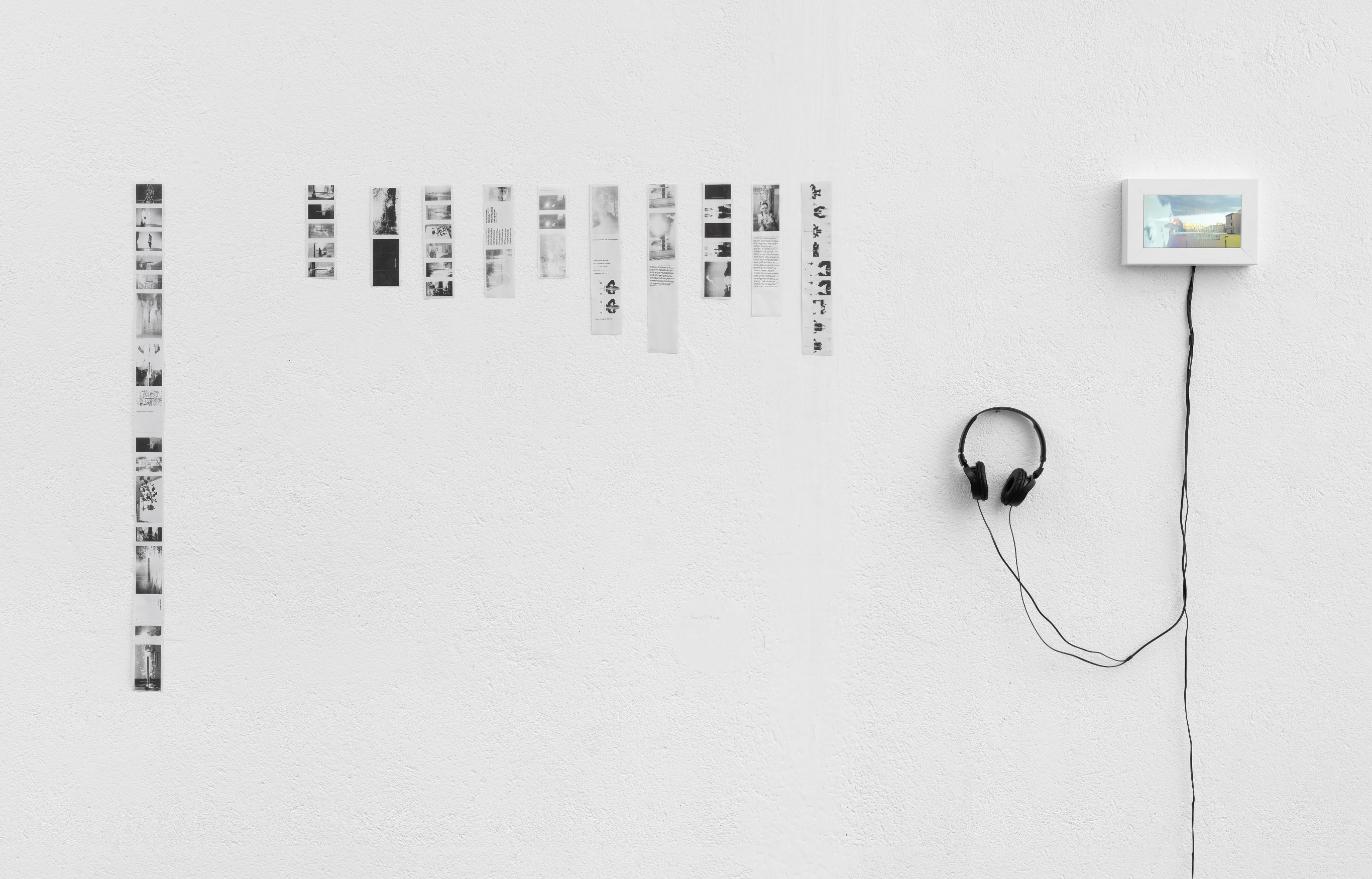
2022 E Trallerallera, Group Exhibition, curated by Susanna Baumgartner, Artphilein, Lugano
MEMORIES
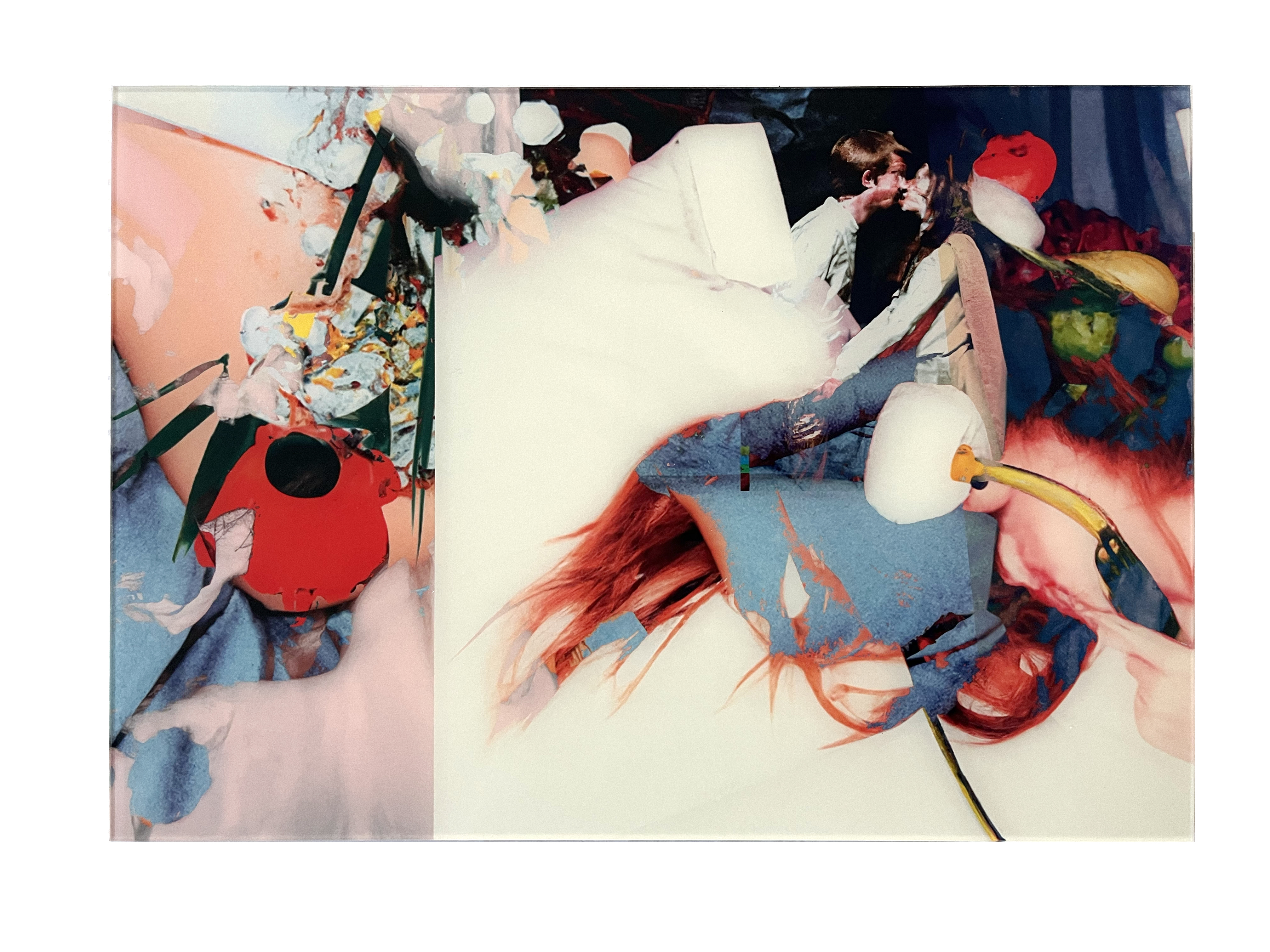
Digital collage of technical images that have been created by A.I. fed with Molly Bloom’s words. QR-downloadable music composed by A.I. fed with the following words: I Feel it Everywhere I go – Memories.
1
«When two mirrors look at each other, Satan plays his favorite game and opens a perspective on infinity in his own way (just like his mate does with the look of two lovers).»2
From 18273 to today, technical images have multiplied, invaded the world, freed painting and then brought its history to an end. And not content with that, they have classified all the significant and the insignificant. First they were analog, an endless curve; then, they became digital, a finite scale.
According to wild culture, a technical image can take the soul away from us, animals, objects, the world.
In the analog modernity era, technical images enclosed the whole, including its invisible part. In the current digital modernity, there is only room for the visible, everything else is discarded. We were first charmed by the vertigo of similarities, then reduced to mere calculation. What is left to sell in this limited horizon is just flesh. This is the landscape in which Mara Palena works.
1«Insiemi di elementi puntuali articolati in forma mosaicale». Vilém Flusser, Immagini, Roma, Fazi editore, 2009, p.13
2 Walter Benjamin, I “passages” di Parigi, vol. I. Torino, Einaudi, 2022, p.601
3 Year of the first technical image, a heliography by Nicéphore Niépce
2
A lonely place where we program and are programmed, constantly submitted to the other’s desire that is now so standardized to be the very same as ours.
A perfect solitude where I no longer exists, there’s only Us. Crumbled, normed bodies.
The time tape gets erased every second of this new, yet pre-human, condition. Therefore, desire once again lies in the trace, in the memory that makes us be.
A lonely place filled with such common beings, acts, and poses — ghosts identical to one another.
«The inevitable siege of the human being is long ready, arranged by theories looking for a logic, perfect explanation of the world, which move hand in hand with technological progress.»4
The I WISHED I WAS carousel. A body’s back and forth repeated movements are mirrored on the floor. At a given moment, the camera glimmers in the mirror. As the percussive video bogs us down, we cede. We find ourselves encircled. Blue turns into a burnt hue. Speed increases. The thermal-paper prints on the wall are destined to fade away a little every day, until they disappear. A lying body stares at us. The end.
The MEMORIES monogram. The new thinking machines can produce false yet perfectly credible technical images, such as shadows of events, places, people that just are not. By mixing those, the artist creates a new assembled image. Sordid cut-up words, desire, and memory. A hybrid child. Dream of many dreams. An obscene need.
3
We are in an electronic garden5. We have no soul and no body, we are memory with a spectre condition — damned to repeat without understanding. Not much is left of the great mechanical noise of past centuries, just a low electric hum, covered by apparently harmless music. Entertainment violence, conviction to desire.
The slab between us and our digital twin gets thinner, making it acquire consciousness. We imagine it as similar to us, thus we feel pity for it. A lying body stares at us. The end.
4 Ernst Jünger, Trattato del ribelle, Milano, Adelphi, 2009, p. 36
5 A noble father to Mara Palena’s recent work can be found in Tetsumi Kudo
Orio Vergani
NOWHERE GALLERY
IN A LONELY PLACE, MEMORY AND DESIRE
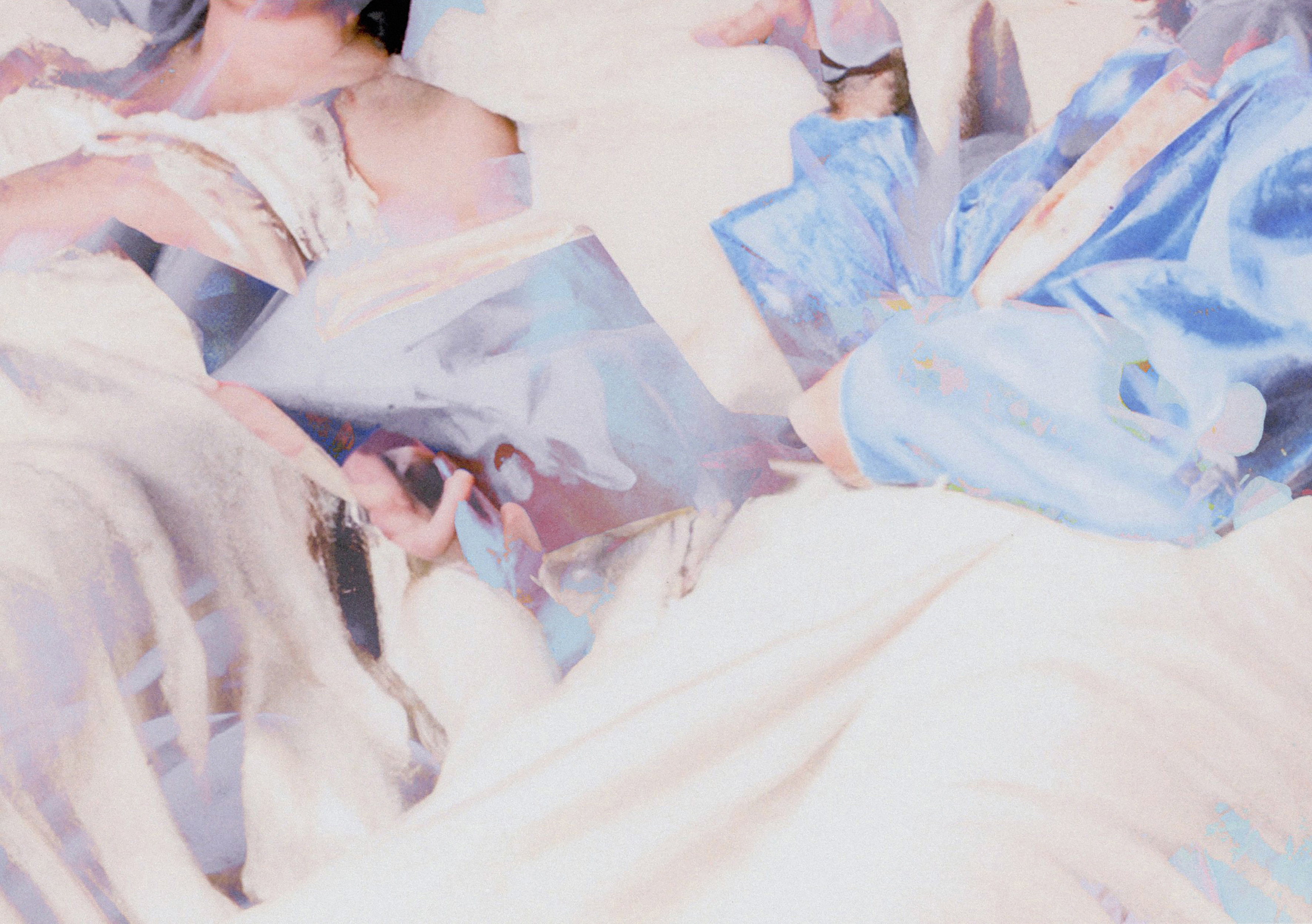
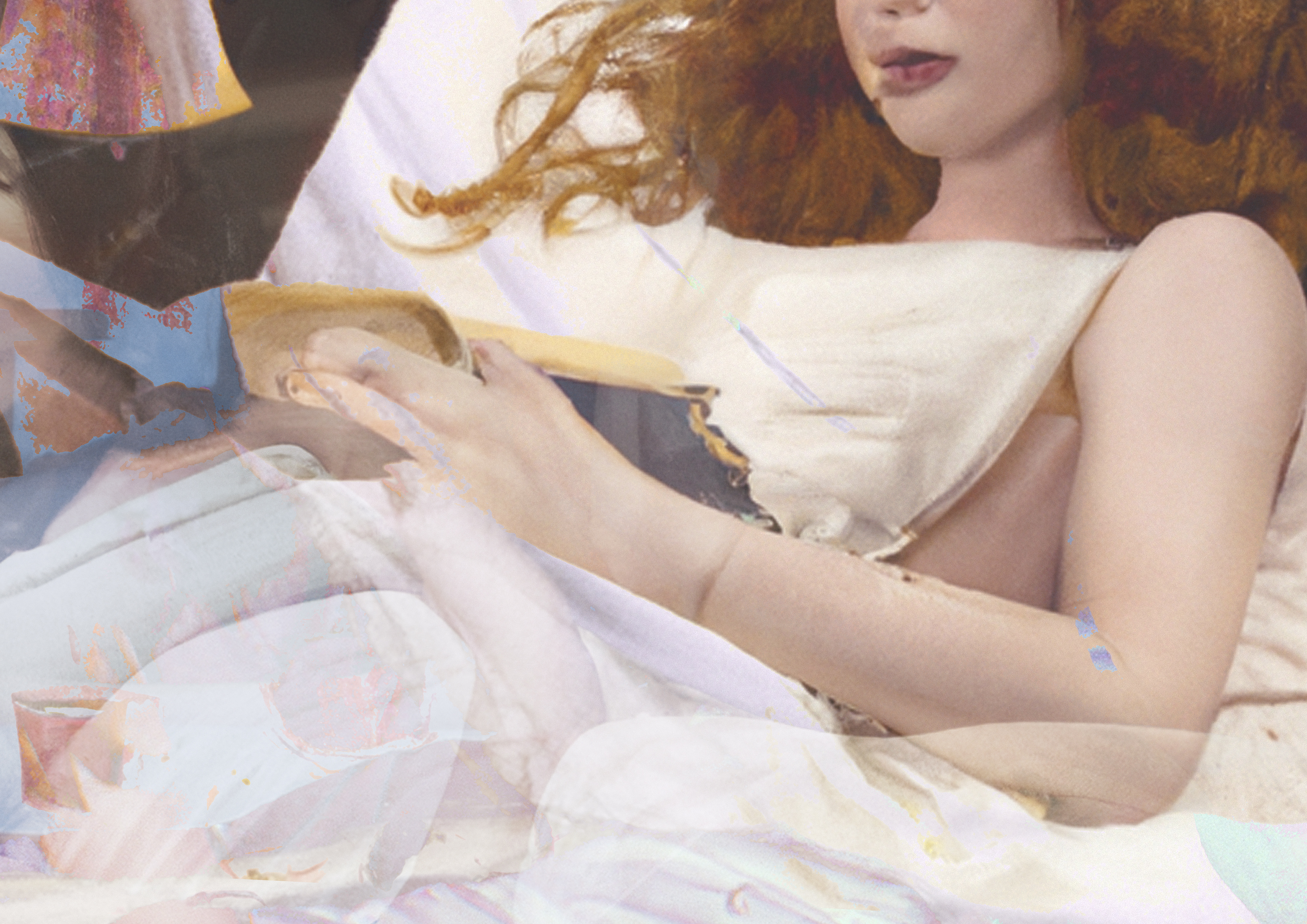
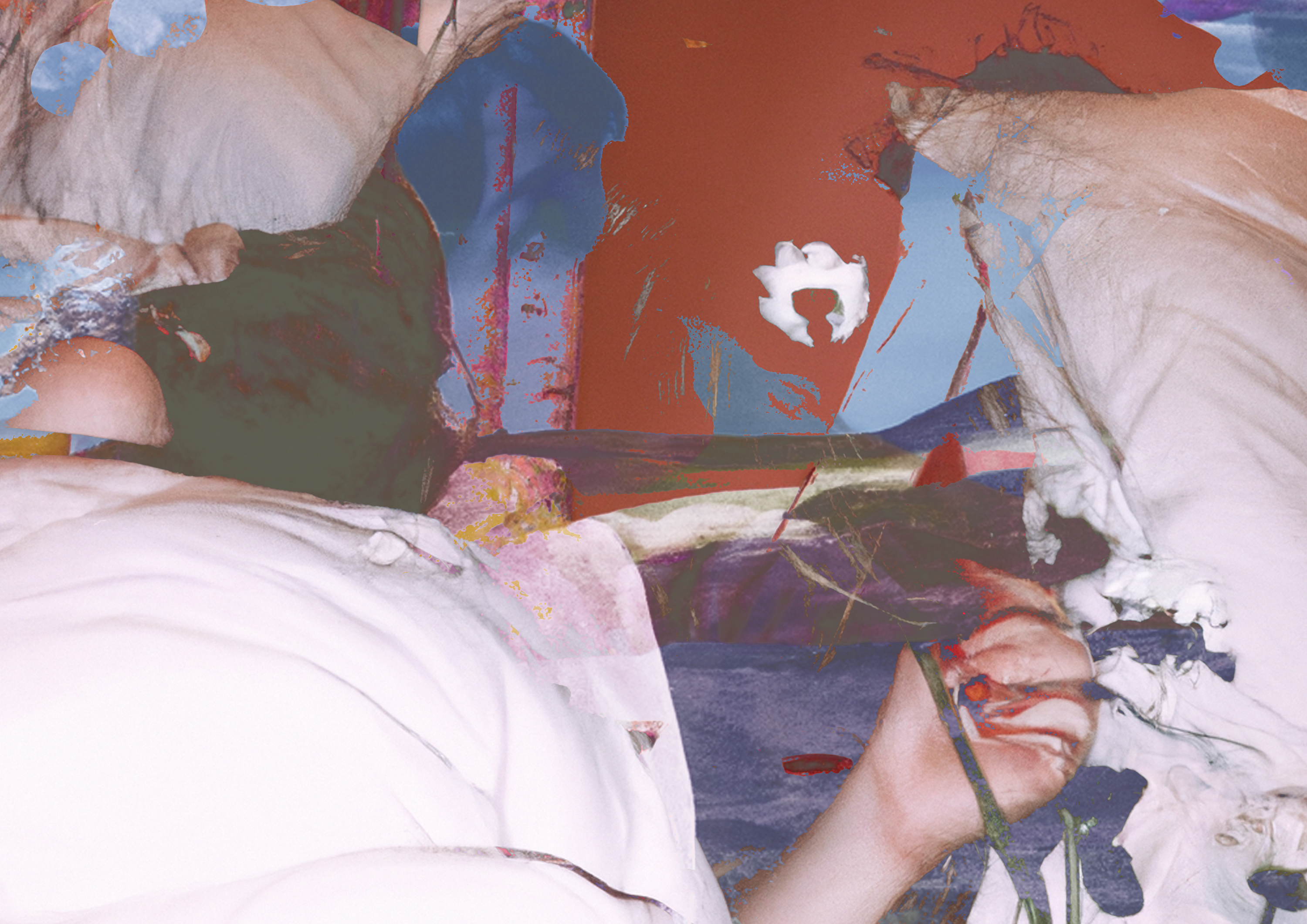
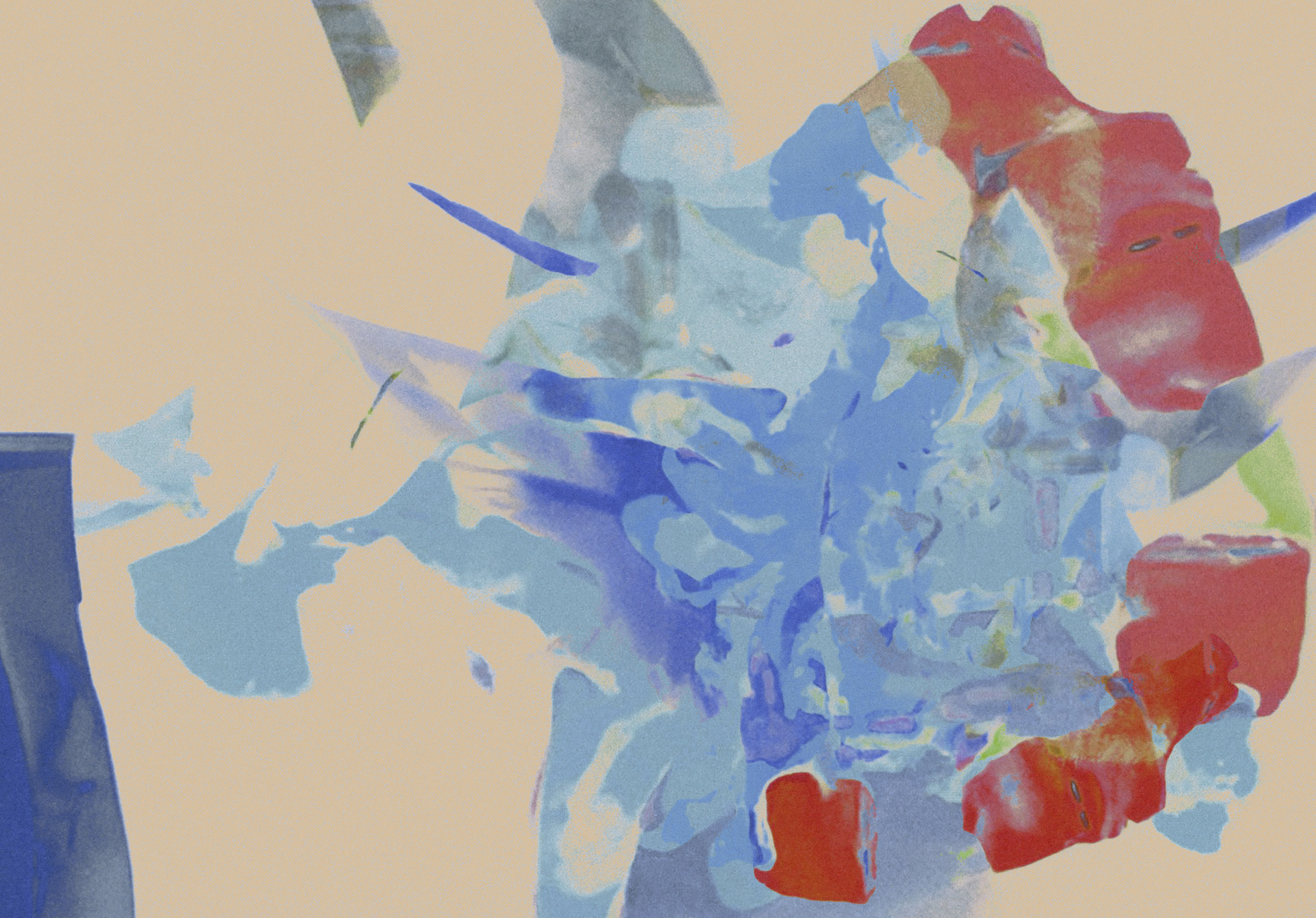
In a Lonely Place – Memory and Desire, Technical images generated through the words of Molly Bloom with AI.
ALL THAT LIES BETWEEN
All That Lies Between is an installation composed of a video and frames printed on voile and wall-mounted. In this work, I document my residency period in Ithaca, seeking to revive Odissey’s female characters through a layering of thought, sound, and image that blend into a distant memory.
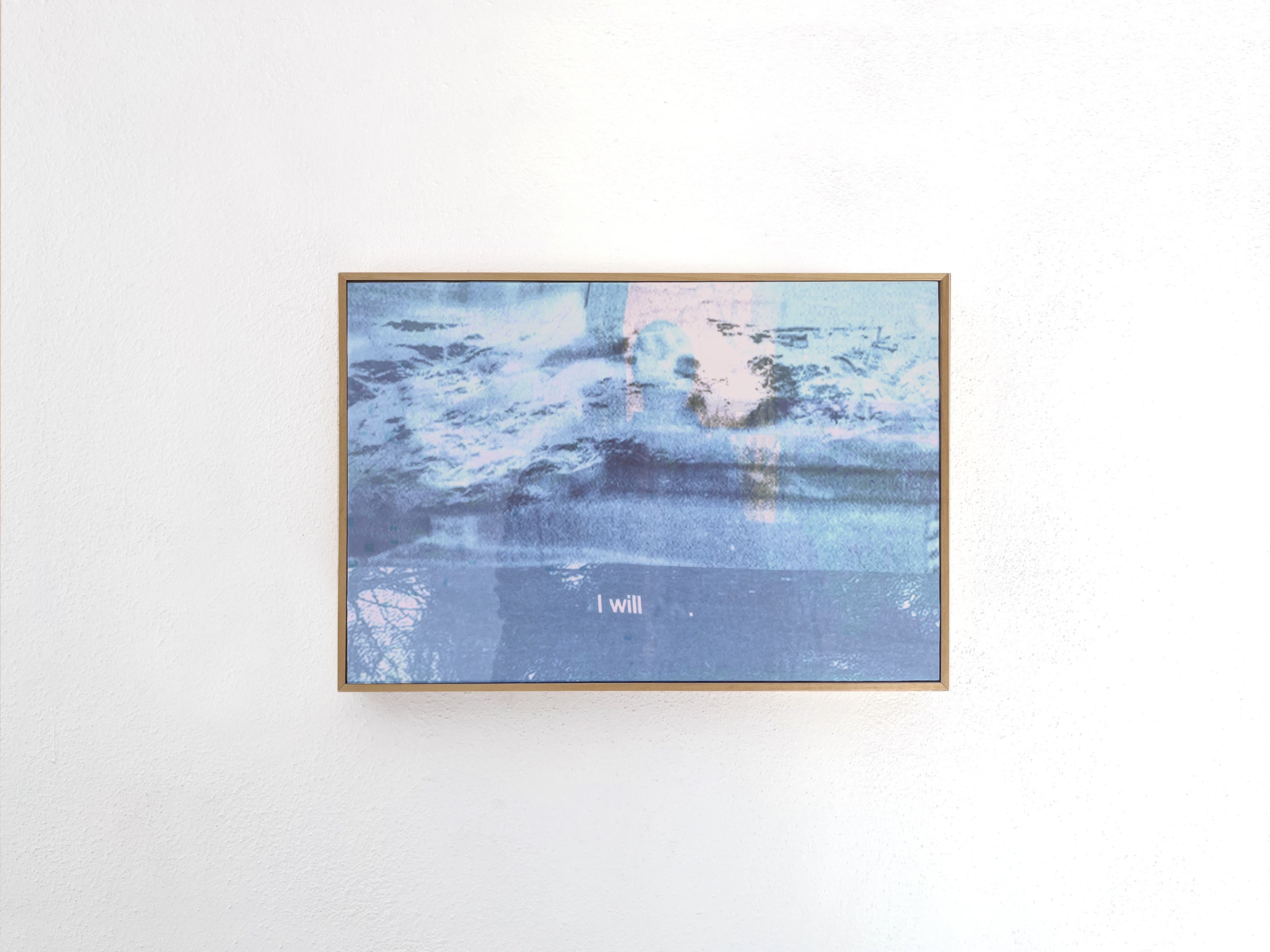
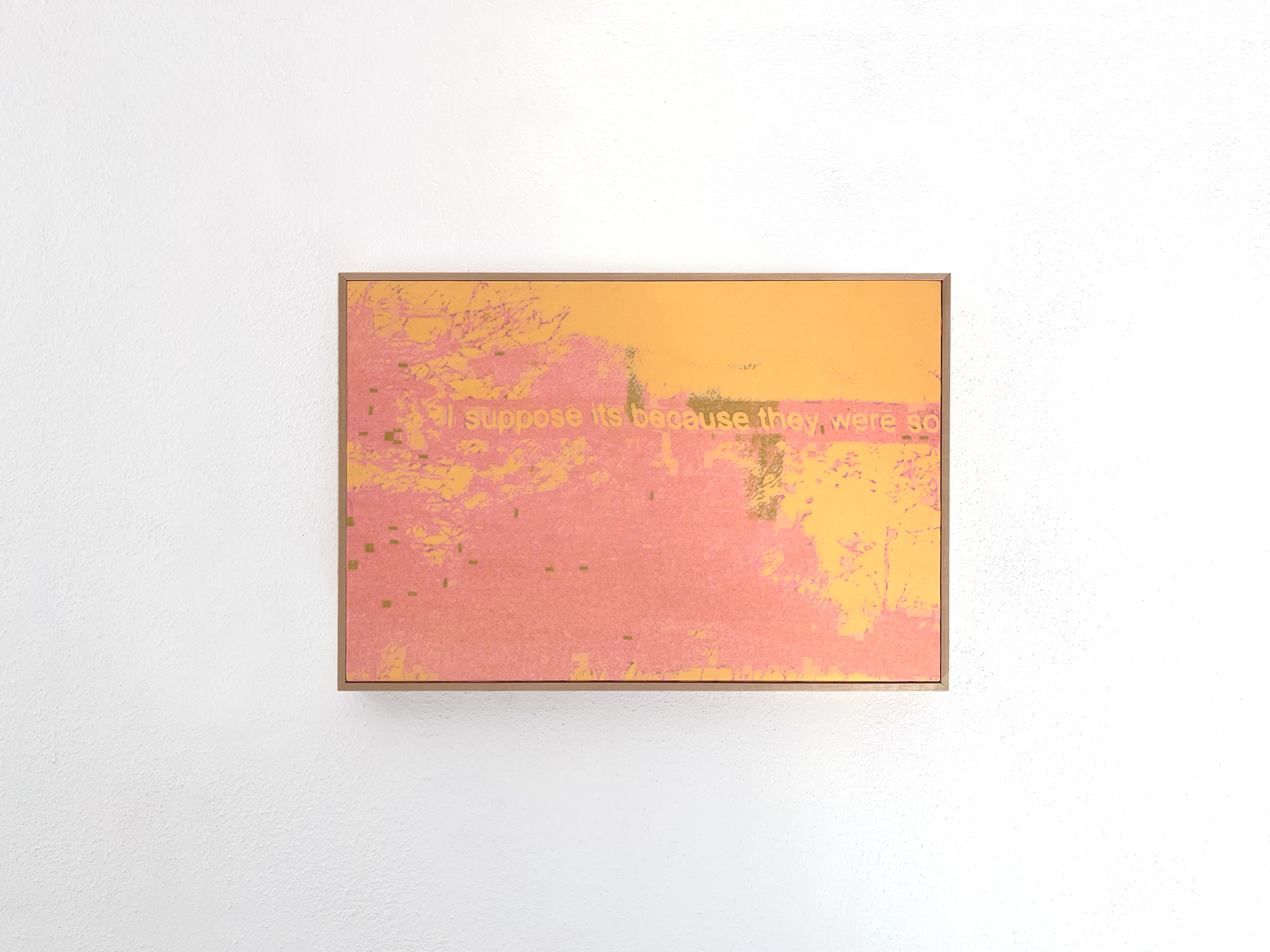
All That Lies Between fig 02, fig 03 fine art print on voile mounted on wood frame, 2024
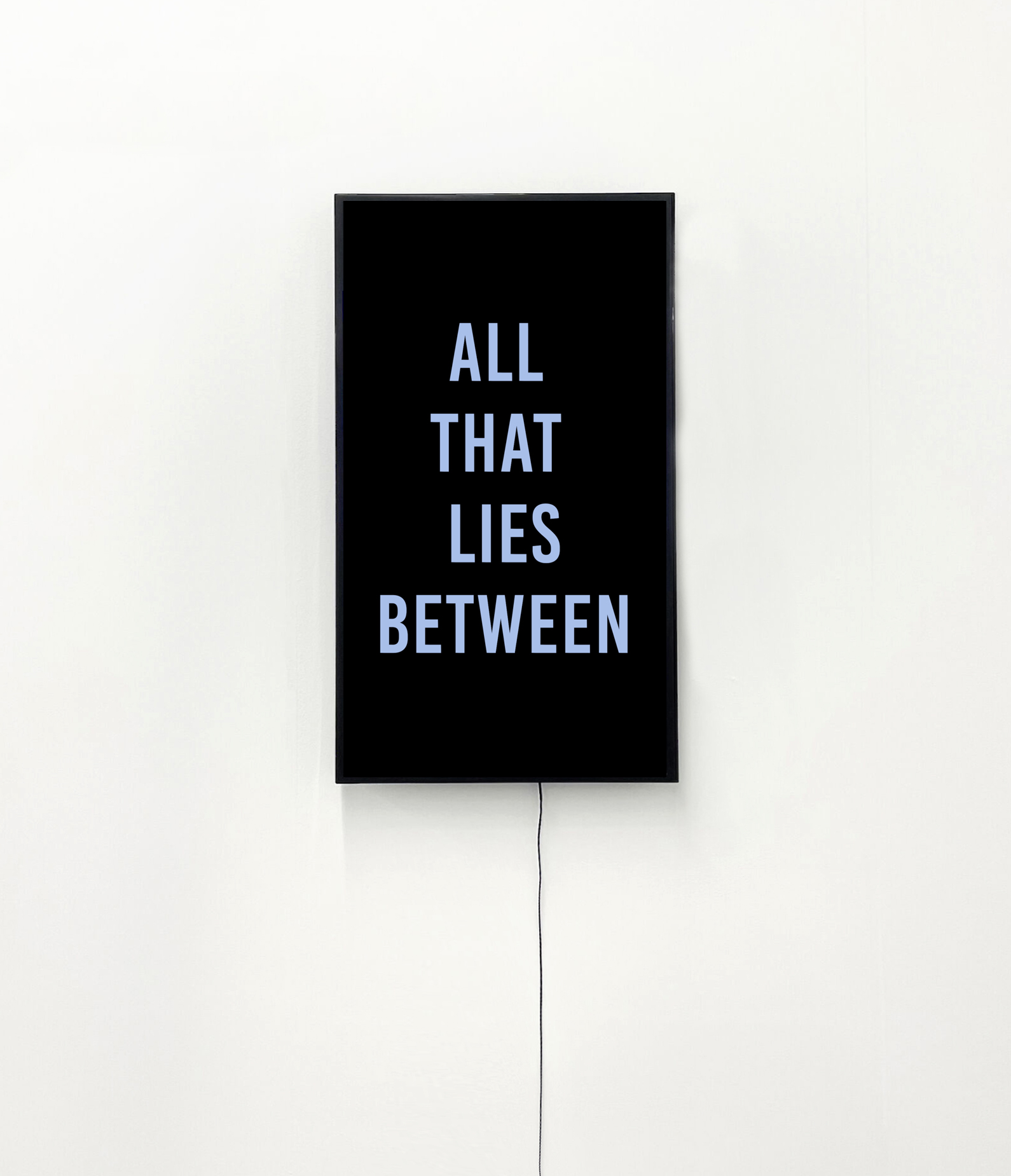
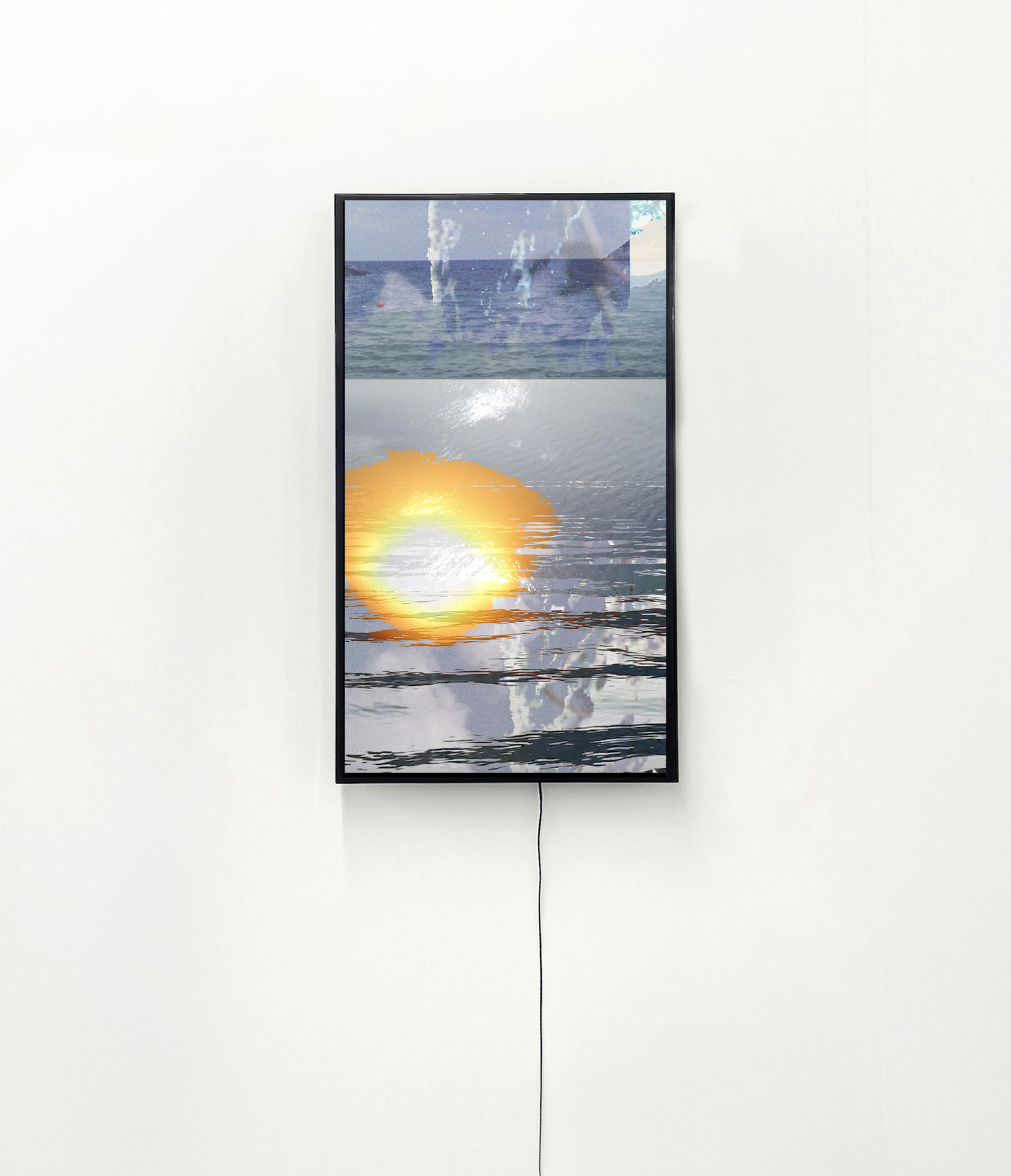
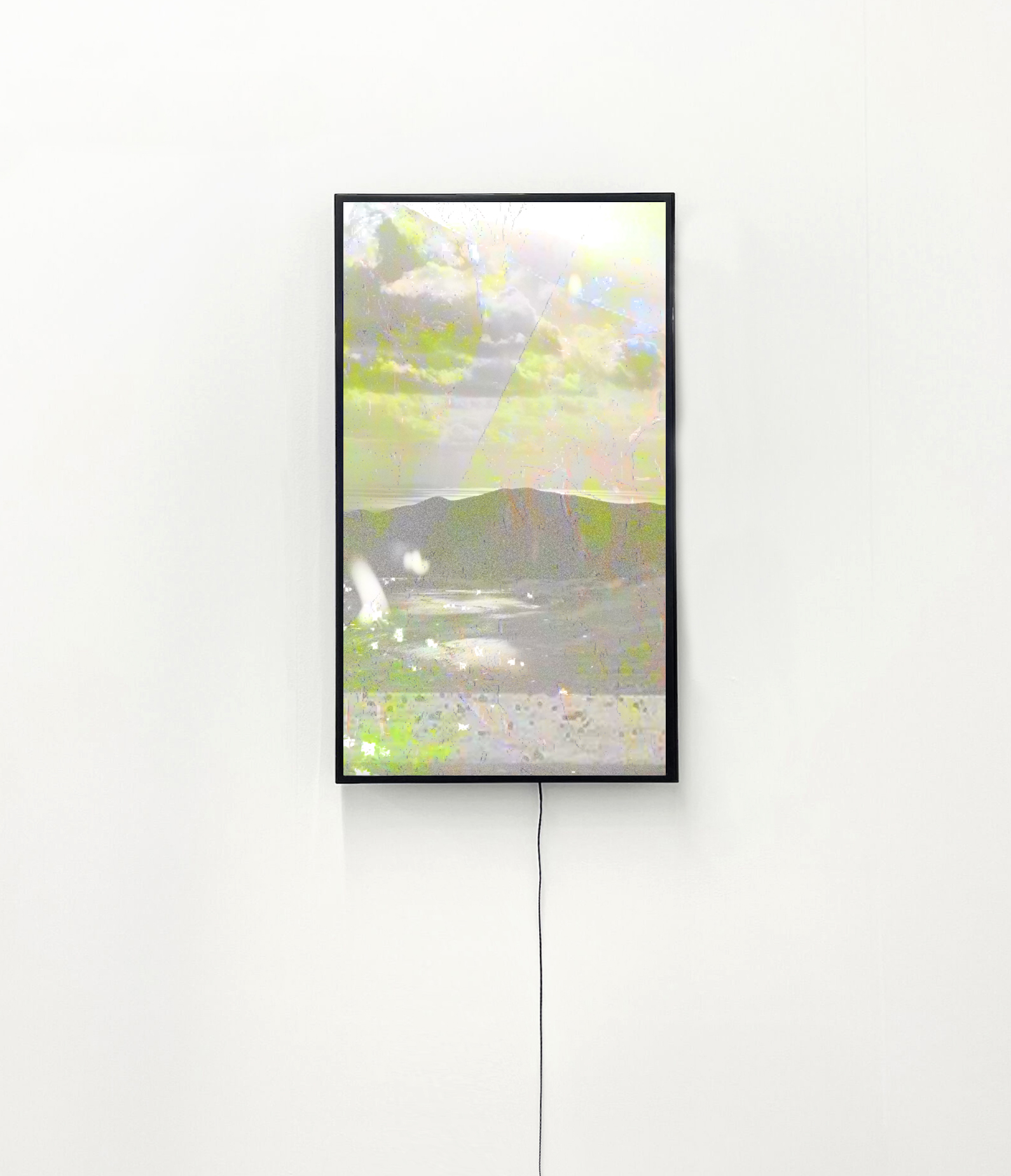
All That Lies Between photographs, videos, sounds, 27:42:00 looped, 2024
Through the sonic, visual, and textual compositions, the work aims to underscore a perspective on the complexity of female identity, as an intricate web of virtues, desires, power, and mystery, carrying with it a rich and diverse range of characteristics, desires, and social roles. The various female characters offer a rich and diverse overview of the experiences and perspectives of women of the time, showcasing their strength, cunning, and ability to influence the course of events. The work is intended to connect with the previous work entitled “I Wished I Was.”
The project is a metaphor for a journey that seeks reconnection with the self through a weave of memories. The Homeric women are characterized by various personalities and roles that reflect different facets of the female experience. The work presents itself as a mirror of the complexity of female figures, human relationships, and power dynamics where hidden truths blend into distant memories. Although many women in his poems are often subjected to male control and social subordination, the author portrays women as multidimensional characters with feelings, desires, and the ability to influence events, showing a complex understanding of interpersonal relationships and the challenges women face in ancient Greek society.
Samuel Butler wrote “The Authoress of the Odyssey” in 1902. This book proposes a controversial theory: it suggests that Homer, the ancient Greek poet traditionally credited as the author of the “Odyssey” and the “Iliad,” was not actually the author of these epic works, but rather they were composed by a woman. “Never before had it happened to me that men write dazzling books in which females appear wiser than males.” Butler’s theory has been widely rejected by the academic community, but it has nonetheless sparked interest and debates on the origins and authenticity of the Homeric texts. We could interpret the female figures in the Homeric poems, according to Jungian psychology, as manifestations of the collective unconscious, archetypal representations of universal concepts such as femininity, desire, wisdom, and destruction. Their actions and relationships could be seen as manifestations of broader psychological dynamics that involve not only individual characters but the entire society and its collective consciousness.
Mara Palena
 Mara Palena